Non invasive Products
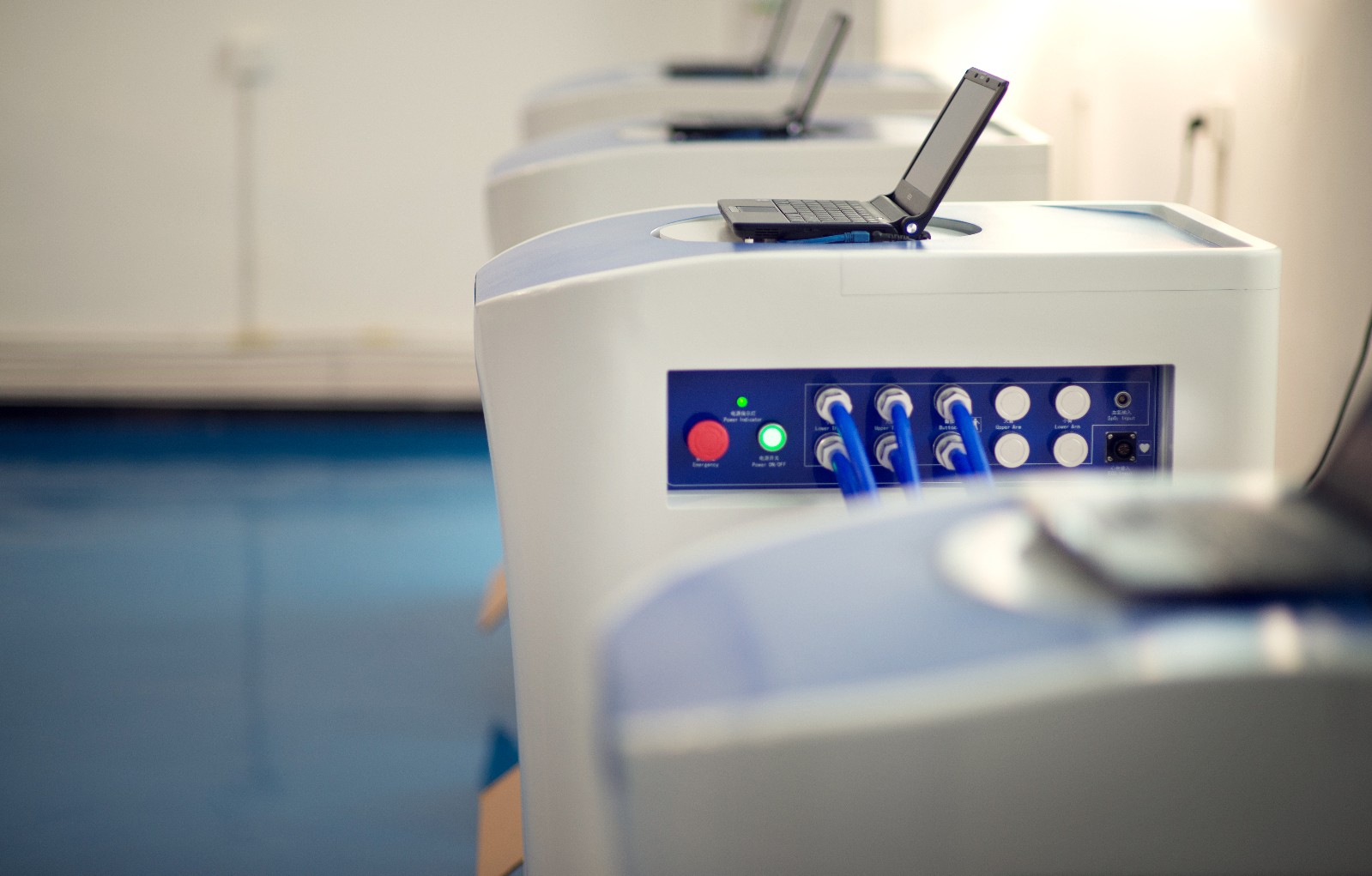
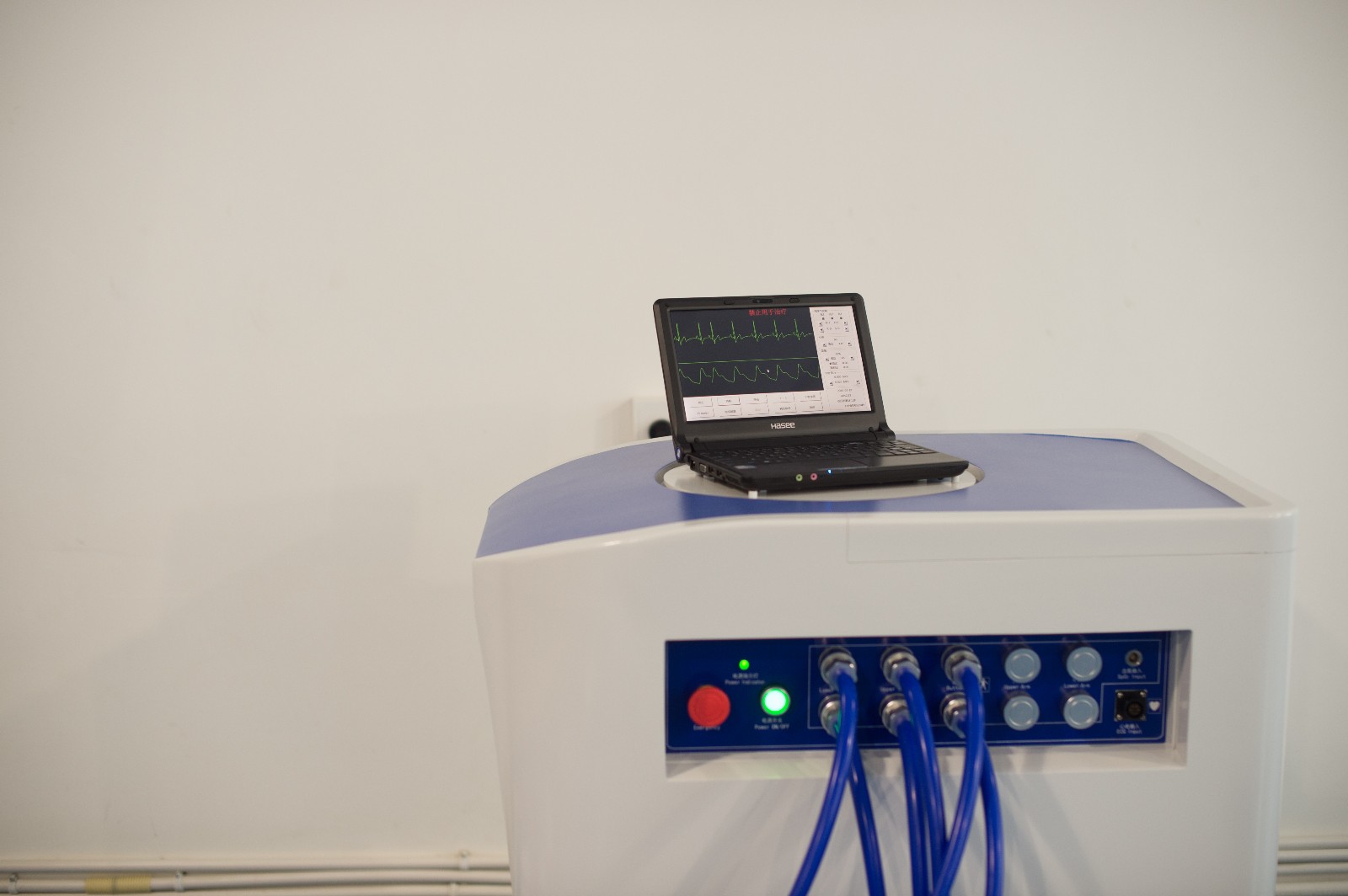
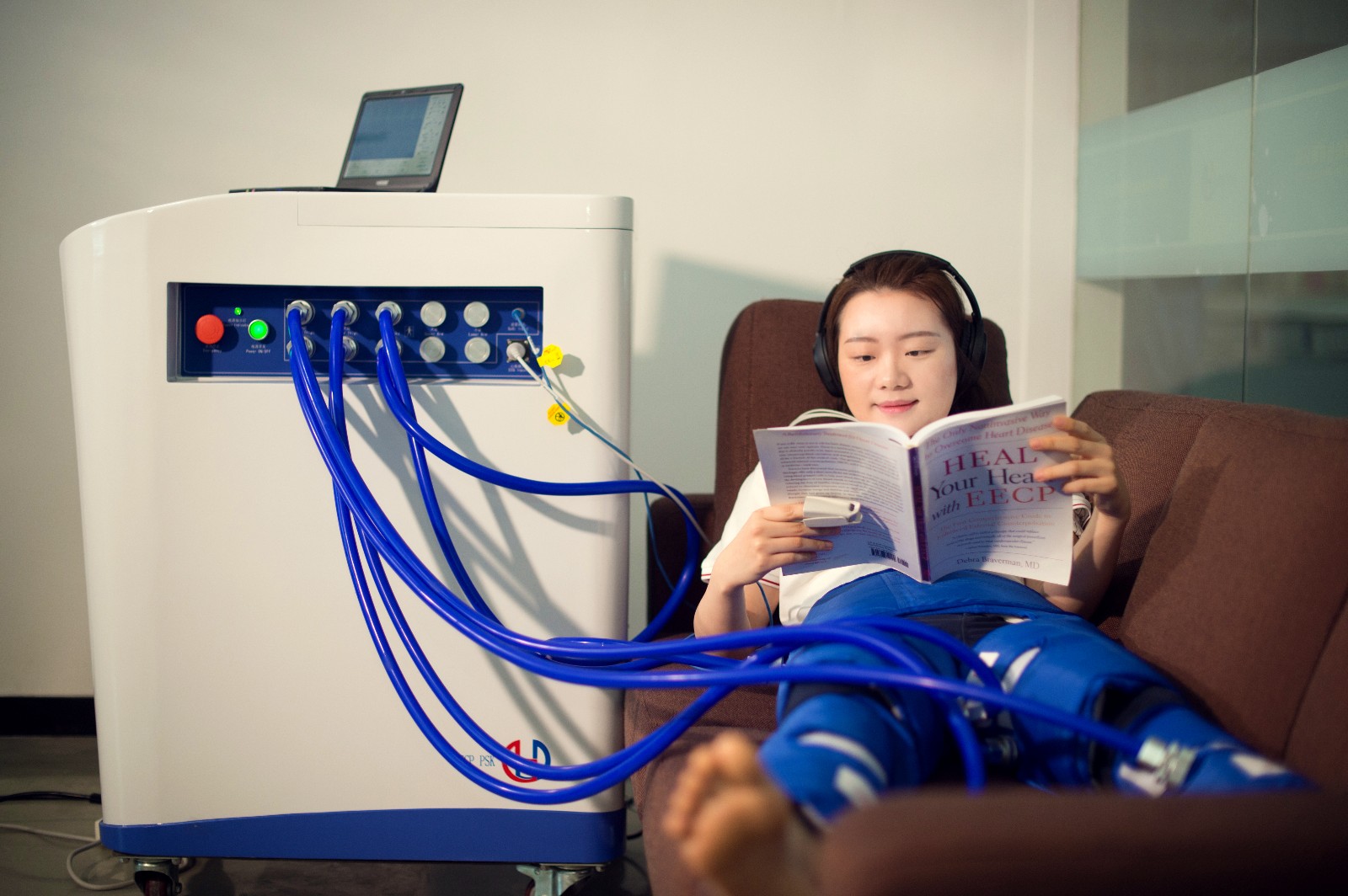
Portable Enhanced External Counterpulsation (EECP) System – PSK P-ECP/TM
- Brand / Model: PSK P-ECP/TM
- Dimensions: 790 × 520 × 1010 mm
- Net Weight: 133 kg
- Power Supply: 220–240 V
Portable Enhanced External Counterpulsation (EECP) System – PSK P-ECP/TM
Product Overview
The PSK P-ECP/TM Portable Enhanced External Counterpulsation (EECP) System is a non-invasive cardiovascular therapy device designed for external counterpulsation treatment in clinical environments.
The system uses ECG-synchronized pneumatic compression technology to coordinate the inflation and deflation of cuffs positioned around the patient's lower limbs.
Featuring a mobile, wheeled configuration, the P-ECP/TM model can be moved between treatment rooms and used alongside compatible treatment tables, hospital beds or reclining chairs.
It is designed for healthcare facilities evaluating non-invasive cardiovascular therapy equipment.
Technical Specifications
| Parameter | Specification |
|---|---|
| Product Name | Portable Enhanced External Counterpulsation System |
| Brand | PSK |
| Model | P-ECP/TM |
| Product Type | Portable / Mobile EECP System |
| Technology | ECG-Synchronized Pneumatic Counterpulsation |
| Dimensions (L × W × H) | 790 × 520 × 1010 mm |
| Net Weight | 133 kg |
| Power Supply | 220–240 V |
| Deflation Mechanism | Vacuum-Assisted Pneumatic System |
| Equipment Configuration | Mobile Unit |
| Treatment Pressure Range | To Be Confirmed |
| Rated Power | To Be Confirmed |
| Packaging Dimensions | To Be Confirmed |
| Regulatory Certifications | To Be Verified |
Working Principle
Enhanced External Counterpulsation (EECP) is a non-invasive cardiovascular therapy technique involving the controlled inflation and deflation of pneumatic cuffs around the lower extremities.
The treatment process is synchronized with the patient's cardiac cycle through ECG monitoring.
The general operating principle includes:
1. Patient Positioning
The patient lies on a suitable treatment table, hospital bed or reclining chair.
2. ECG Monitoring
ECG electrodes are used to monitor the cardiac rhythm and provide synchronization signals for the counterpulsation system.
3. Pneumatic Cuff Placement
Pneumatic cuffs are positioned around the calves, thighs and buttocks.
4. Sequential Compression
The system controls cuff inflation and deflation in synchronization with the cardiac cycle.
5. Vacuum-Assisted Deflation
A vacuum-assisted pneumatic system supports rapid cuff deflation as part of the counterpulsation process.
The device must be operated by trained healthcare professionals in accordance with the manufacturer's current instructions for use.
Key Product Features
1. Portable and Mobile Configuration
The P-ECP/TM model features a wheeled design, allowing equipment movement between treatment areas within a healthcare facility.
2. ECG-Synchronized Counterpulsation
The system uses cardiac rhythm information to coordinate pneumatic cuff inflation and deflation.
3. Computer-Controlled Operation
The device incorporates computer-based control technology and a software-controlled operating system.
4. Vacuum-Assisted Pneumatic System
The pneumatic system includes vacuum pump assistance for cuff deflation.
5. Noise and Heat Management
The manufacturer's existing product description states that the system is designed to minimize operating noise and heat buildup.
6. Patient Comfort-Oriented Design
The equipment is designed with patient comfort and clinical usability in mind.
Intended Clinical Environment
The mobile EECP system may be evaluated for use in:
-
Cardiovascular treatment departments
-
Hospitals and specialized cardiovascular clinics
-
Outpatient cardiovascular therapy facilities
-
Cardiac rehabilitation facilities
-
Medical centers providing physician-supervised EECP treatment
Specific indications, patient eligibility, contraindications and treatment protocols must follow the manufacturer's approved instructions for use and applicable local regulatory requirements.
Safety and Regulatory Considerations
Enhanced external counterpulsation treatment requires professional patient assessment, appropriate monitoring and trained clinical supervision.
Before procurement or clinical deployment, buyers should confirm:
-
Manufacturer's approved intended use and indications
-
ECG and blood pressure monitoring configuration
-
Cuff pressure operating range
-
Treatment safety controls
-
Applicable contraindications
-
Electrical safety documentation
-
Available product registration and certification
-
User manual and service documentation
-
Installation, training and maintenance requirements
Regulatory approval and clinical suitability vary by market and device configuration.
International Procurement and Supply Support
Zhanmed Limited assists international distributors, hospitals and medical equipment procurement companies with China-based medical device sourcing and supplier coordination.
Our services include:
-
Product and manufacturer communication
-
Technical specification coordination
-
Commercial quotation inquiries
-
Available certificate and documentation requests
-
Export logistics coordination
-
Distributor and project procurement support
Availability, warranty, after-sales service and supply conditions are subject to manufacturer confirmation.
Request a Quotation
For technical specifications, available configurations, pricing, product documentation and international procurement inquiries, please contact:
ZHANMED LIMITED
Contact: Daniel Zhan
Email: zhanmc@zhanmed.com
WhatsApp: +86 15215105391
For professional healthcare and medical equipment procurement. Clinical use must comply with the manufacturer's approved instructions and applicable medical device regulations.
RELATED PRODUCTS
CATEGORIES
LATEST NEWS
CONTACT US
Contact: Daniel Zhan
Phone: 18101053191
Tel: 02367309662
Email: zhanmc@zhanmed.com
Add: No.301, Unit 2, No.3 Building, No.7 Yard, Madian Xicun Road, Haidian District, Beijing China
Whatsapp: +8615215105391